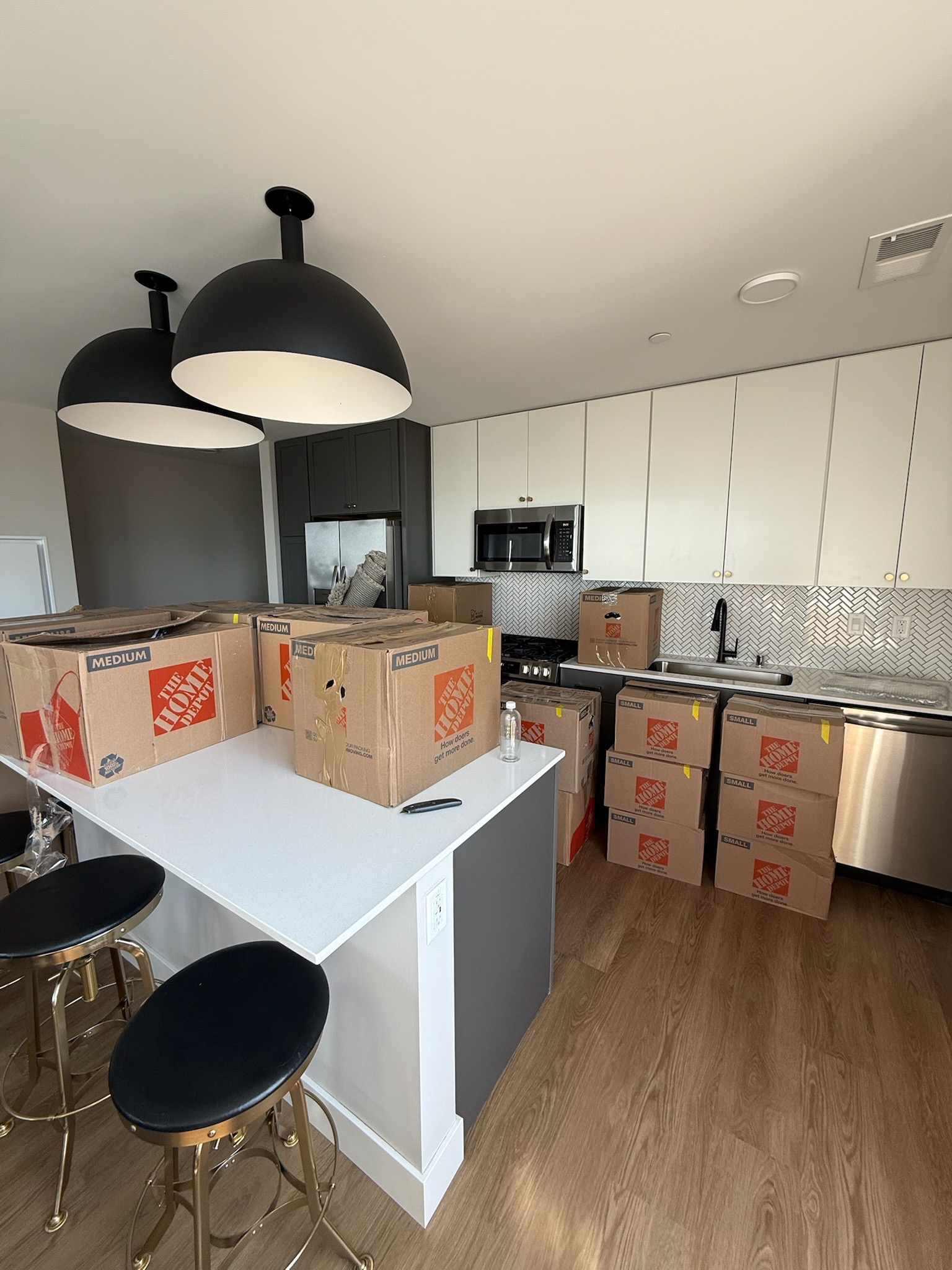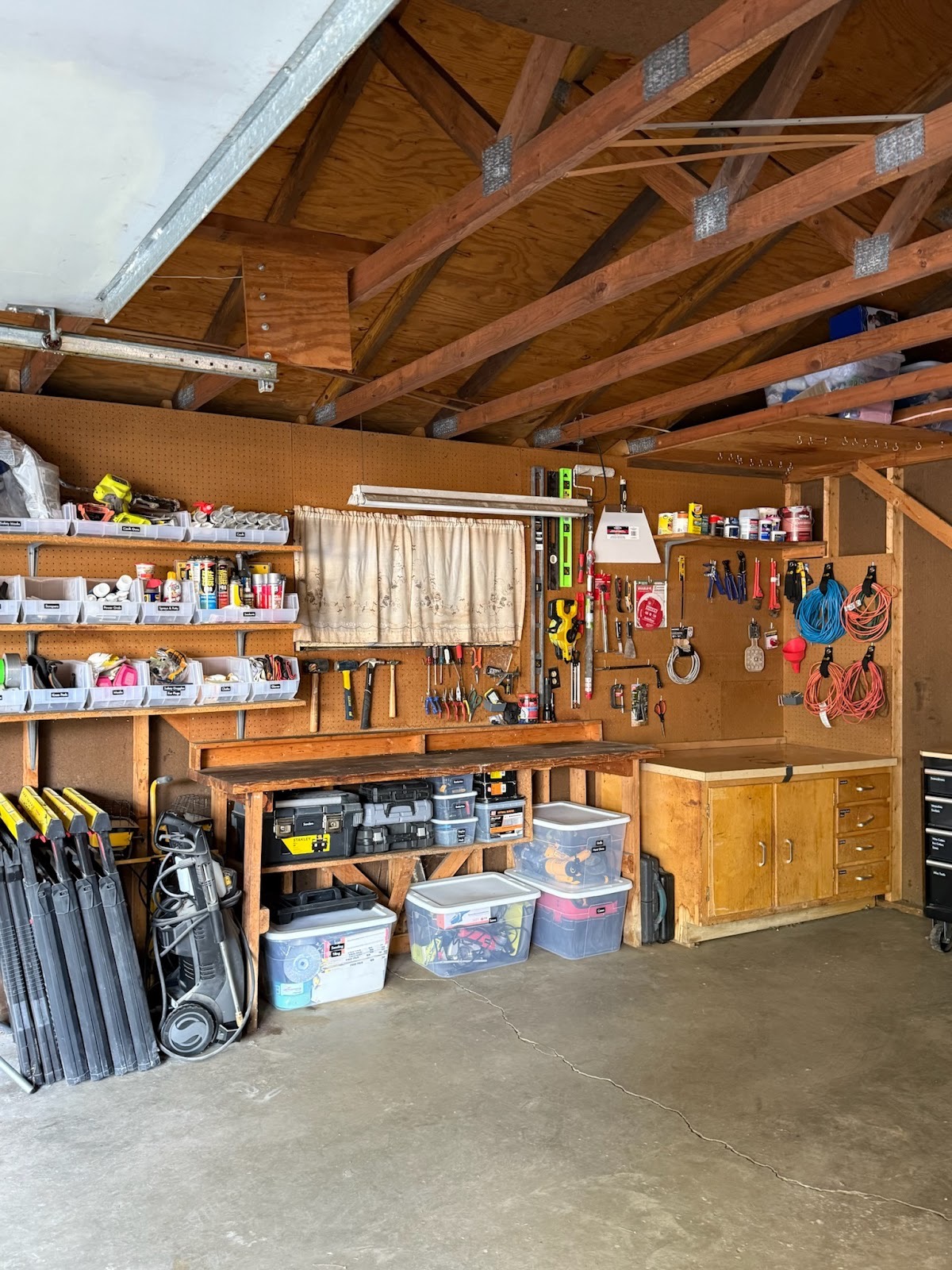

Moving from one college athletic program to another can happen quickly. Coaches and athletic staff may need to report to a new campus while recruiting, team meetings, training schedules, and other professional responsibilities are already underway. At the same time, a household must manage packing, housing decisions, school arrangements, utilities, and everyday family needs.
A well-planned relocation can make this transition much easier. Instead of treating the move as one large project, breaking it into manageable stages can help the household stay organized while the coach or staff member focuses on the new position.
Build the Move Around the Athletic Calendar
College athletics rarely follows a traditional work schedule. Recruiting periods, preseason preparation, training camps, staff meetings, and competition schedules can affect when a coach needs to arrive.
The relocation timeline should therefore begin with the required reporting date. From there, the household can work backward to establish packing, transportation, housing, and move-in deadlines.
Start With These Priorities
- Confirm the reporting date and important athletic department commitments.
- Determine whether the household will move together or in separate stages.
- Identify items that must be immediately available after arrival.
Planning around professional obligations helps reduce conflicts during an already demanding career transition.
Decide What Should Move First
Not every household item needs to arrive at the same time. If the new coaching position begins before permanent housing is ready, separating essential belongings from less urgent items can simplify the first few weeks.
Clothing, medications, important documents, basic kitchen supplies, work materials, children’s necessities, and personal electronics should remain easily accessible.
Create Three Moving Categories
- Immediate essentials: Items needed during travel and the first several days.
- Move-in necessities: Furniture, kitchen items, linens, and household basics.
- Later-use belongings: Seasonal décor, keepsakes, extra equipment, and rarely used items.
This approach prevents important belongings from becoming buried inside boxes when the household needs them most.
Prepare for a Possible Split Transition
Sometimes a coach must begin the new job before the rest of the household can relocate. A spouse or partner may need additional time to finish work obligations, complete a home sale, coordinate school schedules, or secure housing.
When a move happens in stages, maintaining two organized lists can help: one for the person relocating first and another for the household following later.
Important documents should also be stored where both adults can access them when necessary. Digital copies of housing records, moving contracts, school information, insurance documents, and identification can be particularly helpful.
Organize Before Packing
A relocation is an excellent opportunity to decide what is worth taking to the next home. Moving unnecessary belongings adds packing time and can make unpacking more difficult.
- Before Boxes Are Sealed
- Donate or discard items that are no longer needed
- Label boxes according to both room and priority
- Keep important documents separate from general household boxes
Clear labeling can make a major difference when the household arrives after a long trip and needs to become functional quickly.
Research the New Community Before Arrival
A move connected to college athletics involves more than learning the campus location. Families may also need information about neighborhoods, schools, childcare, grocery stores, health care, commuting routes, recreation, and everyday services.
Researching these details before moving can reduce the number of decisions that need to be made during the first week.
It can also be helpful to understand traffic patterns between potential neighborhoods and the athletic facilities. Coaches may work early mornings, evenings, weekends, and game days, making commute time an important consideration.
Make the First Week Easier
The goal of unpacking does not have to be finishing every room immediately. The priority should be creating spaces that allow normal routines to resume.
Bedrooms, bathrooms, essential kitchen areas, work clothing, children’s belongings, and everyday supplies can be addressed first. Storage areas, decorative items, and less frequently used belongings can wait.
A functional home provides valuable stability when a new professional role is already bringing a significant amount of change.
Give the Household Time to Adjust
Changing athletic programs can represent an exciting professional opportunity, but it can also mean adjusting to a different campus, community, climate, schedule, and social environment.
Creating familiar routines can help family members settle in. Finding favorite grocery stores, parks, restaurants, coffee shops, fitness options, and neighborhood activities can gradually make the new location feel more comfortable.
A thoughtful relocation plan gives coaches and their households more room to focus on the opportunities ahead rather than spending every available hour managing boxes and logistics. For families navigating the organizational side of a college coaching relocation, Meat & Potatoes Organizing can help create a more structured and manageable transition into the next home.
Frequently Asked Questions
Meat & Potatoes Organizing recommends starting with the reporting date and working backward. Prioritize housing, transportation, essential belongings, important documents, and immediate household needs. Less urgent tasks can be completed afterward, allowing the coach to focus on professional responsibilities without trying to complete everything simultaneously.
Keep identification, medications, employment paperwork, chargers, basic clothing, toiletries, children’s essentials, important household documents, and frequently used electronics separate from general moving boxes. These belongings should remain easy to reach throughout travel and during the first several days in the new home.
Not necessarily. Some households benefit from moving together, while others require a staged relocation because of school, employment, housing, or athletic scheduling. The right approach depends on the family’s circumstances. Creating separate plans for each stage can make a divided move easier to coordinate.
Start with the spaces needed for normal daily routines. Bedrooms, bathrooms, the kitchen, children’s rooms, and work-related clothing generally deserve priority. Once those areas function comfortably, the household can gradually unpack offices, storage areas, decorative items, seasonal belongings, and other less urgent possessions.
Yes. Meat & Potatoes Organizing can help households approach packing, sorting, move-in preparation, and unpacking more systematically. Organized support can be especially useful when a coaching transition creates a compressed timeline and professional commitments leave limited time for managing the many details of a household move.