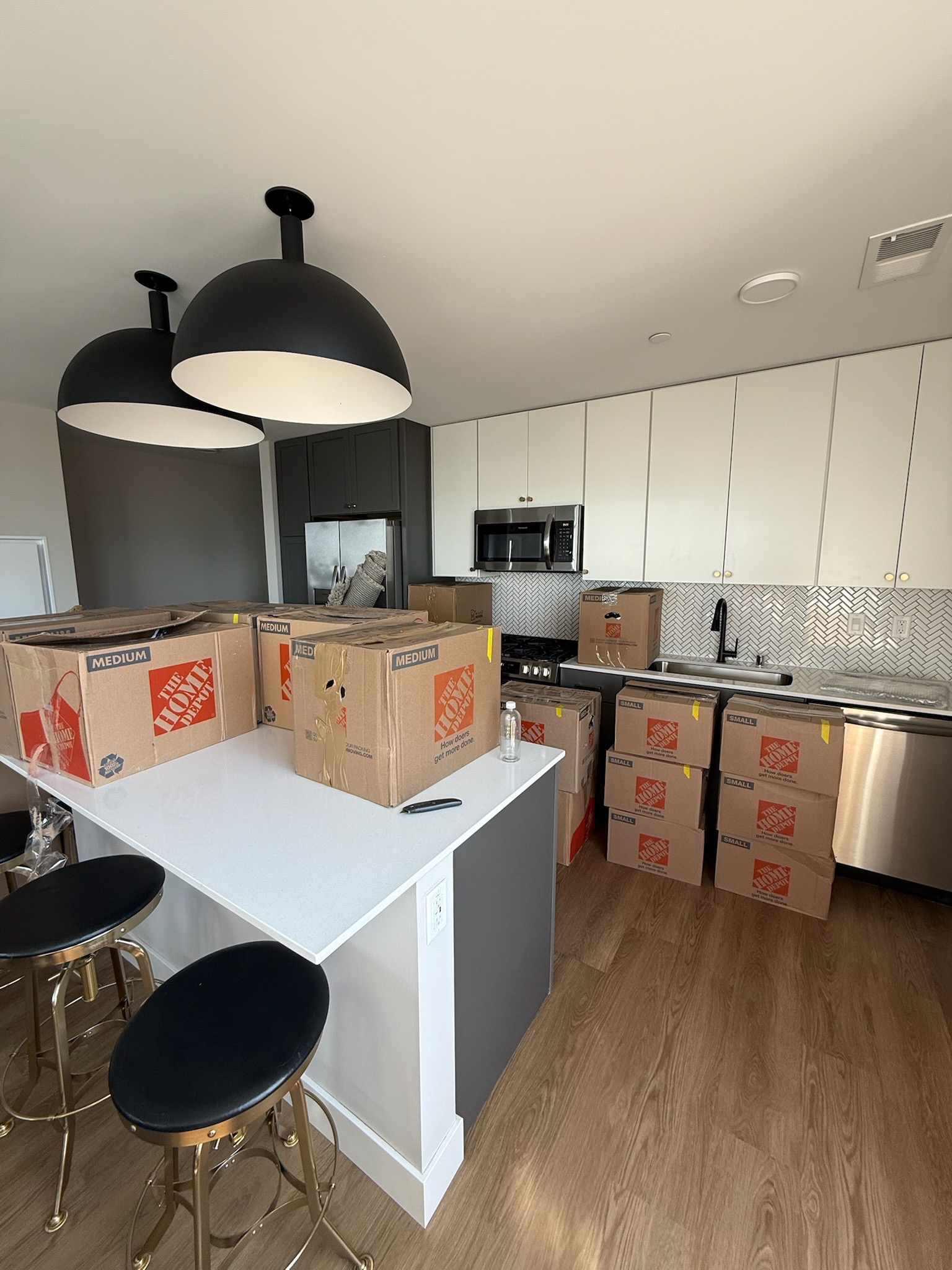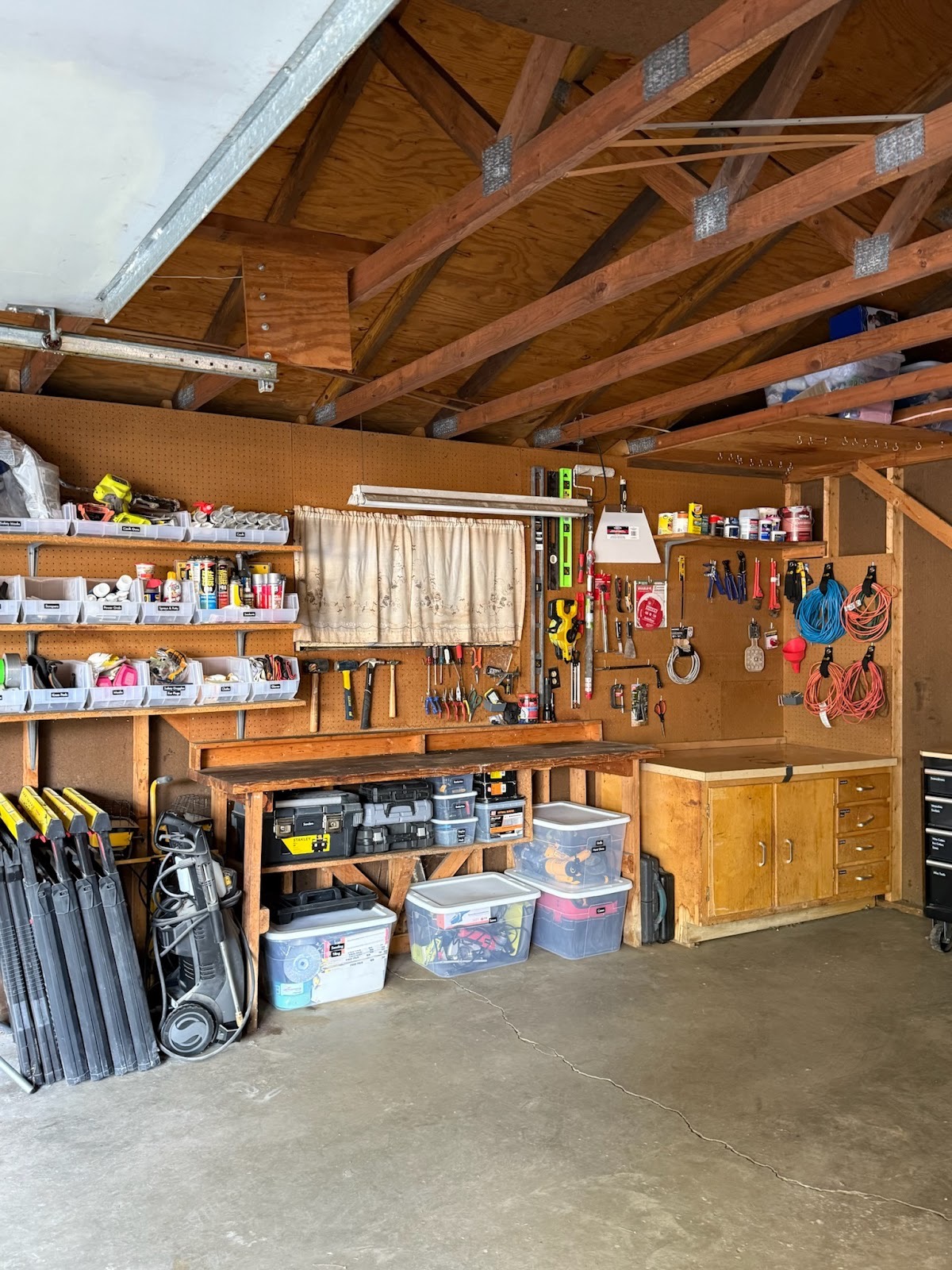

Accepting a college coaching position in Minnesota can bring an exciting professional change along with a significant household transition. Whether the new position is in the Twin Cities, central Minnesota, southern Minnesota, or farther north, coaches may need to become familiar with a new campus, community, climate, and daily routine at the same time.
Preparing for the move before reporting to the athletic department can make the adjustment much smoother. From Minnesota winters to housing and transportation, several practical factors deserve attention.
Plan Around the Coaching Schedule
College coaches often begin working before the household has completely settled. Recruiting, staff meetings, athlete evaluations, preseason preparation, and administrative responsibilities can quickly fill the calendar.
The reporting date should become the starting point for the relocation plan. Working backward from that date allows the household to identify realistic deadlines for packing, travel, move-in, and unpacking.
Important Dates to Identify Early
- First required day on campus
- Recruiting or preseason responsibilities
- Household moving and arrival dates
If the family cannot relocate at the same time, planning a temporary arrangement for the coach may help prevent rushed decisions about permanent housing.
Understand Minnesota’s Seasonal Conditions
Minnesota’s weather can have a significant effect on a household move, particularly during late fall and winter. Snow, ice, freezing temperatures, and shorter daylight hours can influence travel and moving-day conditions.
Even coaches arriving during warmer months should prepare for winter before temperatures begin dropping.
Useful Minnesota Moving Preparations
- Keep winter coats, boots, gloves, and cold-weather gear accessible
- Avoid placing temperature-sensitive belongings where they may freeze
- Check parking, snow-removal, and entry arrangements before move-in day
Households arriving from warmer regions may also need to purchase additional winter clothing and vehicle supplies after relocating.
Choose Housing With the Coaching Routine in Mind
Distance on a map does not always tell the full story of a commute. Coaches may travel to campus early in the morning, return late after practice, or work weekends during the season.
When comparing housing options, consider the route to athletic facilities as well as access to schools, childcare, shopping, medical services, recreation, and other daily necessities.
For families moving to the Minneapolis-Saint Paul area, commute patterns may vary considerably depending on where the campus and home are located. In smaller Minnesota communities, proximity to campus may be easier, but local amenities and family preferences still deserve consideration.
Reduce Household Clutter Before the Move
Transporting belongings that are no longer useful creates extra work during both packing and unpacking. Sorting possessions before moving can make the relocation more efficient.
Sort Household Items Into Categories
Keep: Items regularly used or important to the household.
Donate: Usable belongings that no longer serve a purpose.
Discard: Broken, outdated, or unusable items.
Seasonal belongings also deserve special attention in Minnesota. Winter equipment, holiday items, outdoor gear, and sports equipment can be grouped and clearly labeled so they are easier to locate when needed.
Prepare an Essentials Kit
A coach may need professional clothing, documents, electronics, and other work materials almost immediately after arriving. Packing these items separately keeps them available even if the rest of the home remains filled with boxes.
Household essentials should include toiletries, medications, bedding, chargers, basic kitchen supplies, important documents, and several days of clothing.
Families with children or pets may also want separate first-week bags containing school materials, favorite toys, food, medications, and other familiar items.
Focus on Function Before Appearance
A newly relocated household does not need to be completely decorated during the first few days. Creating functional spaces first can make the transition much less stressful.
Set up sleeping areas, bathrooms, the kitchen, work clothing, and frequently used household items before concentrating on artwork, decorative accessories, seasonal storage, or less frequently used rooms.
This approach allows normal routines to begin sooner.
Become Familiar With the Community
Moving for a college coaching position means joining both an athletic department and a local community. Exploring nearby neighborhoods, restaurants, parks, grocery stores, recreation areas, and family activities can help household members develop a sense of familiarity.
Minnesota is known for an active outdoor culture, and residents may find opportunities for hiking, cycling, lake activities, skating, skiing, and other seasonal recreation depending on their location and interests.
Taking time to explore beyond campus can help make the move feel like the beginning of a new home rather than simply a job-related transfer.
Start the New Position With an Organized Home Base
Coaching changes can move quickly, and trying to manage a new team while simultaneously sorting an entire household can create unnecessary distractions. Preparing early, organizing belongings thoughtfully, and prioritizing essential spaces can make the first weeks more manageable. Coaches and their families relocating to Minnesota can turn to Meat & Potatoes Organizing for support in creating a practical, organized home base for their next chapter.
Frequently Asked Questions
Meat & Potatoes Organizing recommends prioritizing the reporting date, housing, transportation, essential belongings, work materials, and weather preparation. Establishing these basics before arrival can reduce last-minute decisions and help coaches focus their attention on meeting staff, preparing for athletes, and beginning their new responsibilities.
Keep coats, gloves, boots, medications, electronics, and other essential or temperature-sensitive belongings easily accessible. Monitor local travel conditions before moving day and confirm snow-clearing and parking arrangements. Allow additional flexibility for travel because winter weather can occasionally affect road conditions and moving schedules.
Consider travel time to campus, typical coaching hours, school options, childcare, shopping, health care, recreation, and the household’s preferred lifestyle. Coaches who frequently report early or stay late may find that a practical commute becomes especially valuable during a busy athletic season.
Begin with bedrooms, bathrooms, kitchen basics, medications, work clothing, electronics, children’s necessities, and cold-weather gear when appropriate. Establishing these essential areas helps the household function normally while other belongings are unpacked gradually, rather than creating pressure to complete the entire home immediately.
Meat & Potatoes Organizing can help create a clear approach to sorting, packing preparation, unpacking, and household organization. This can be particularly useful for college coaches whose reporting dates, recruiting responsibilities, practices, and meetings leave limited time to manage every detail of settling into a new Minnesota home.