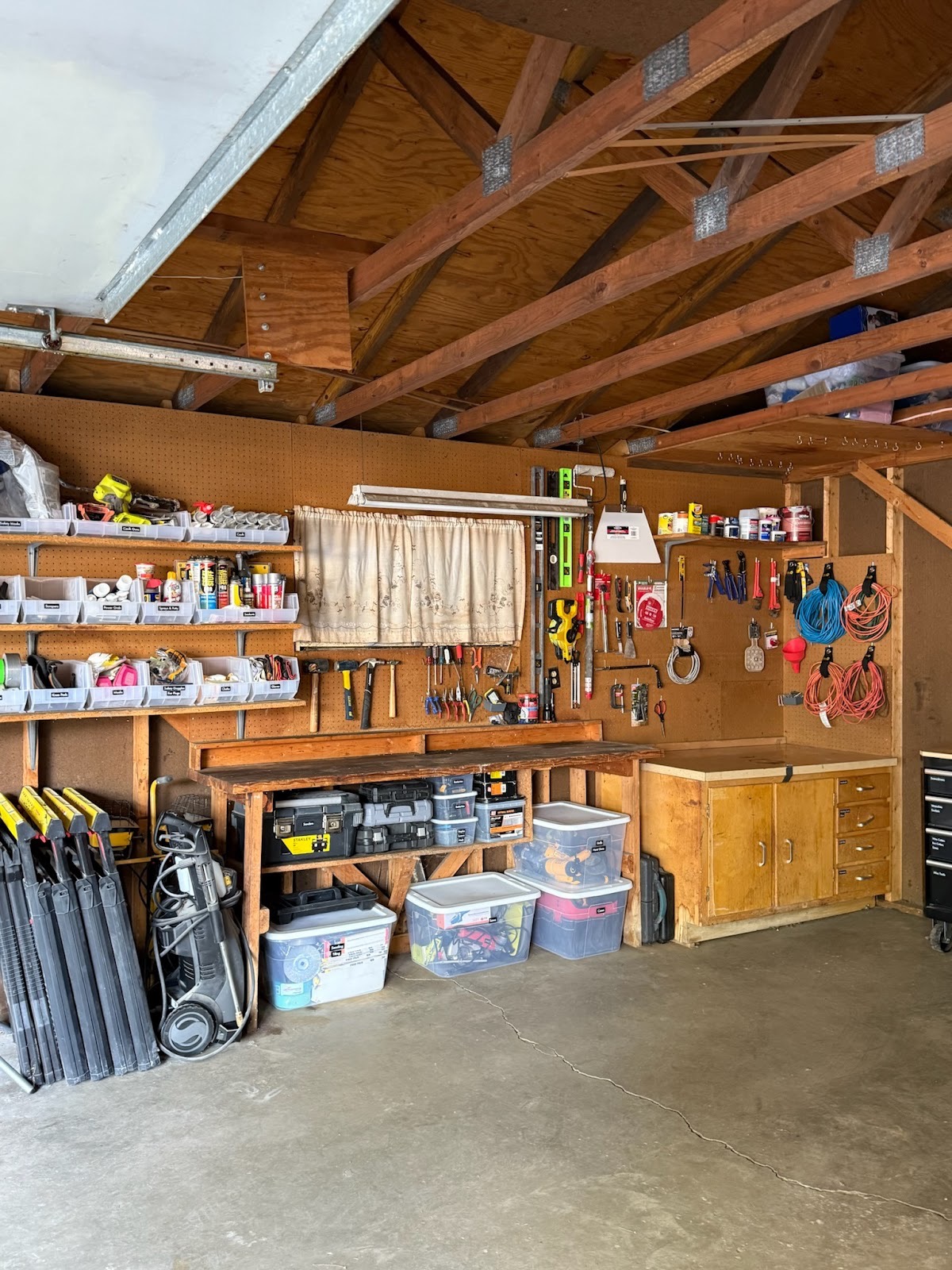

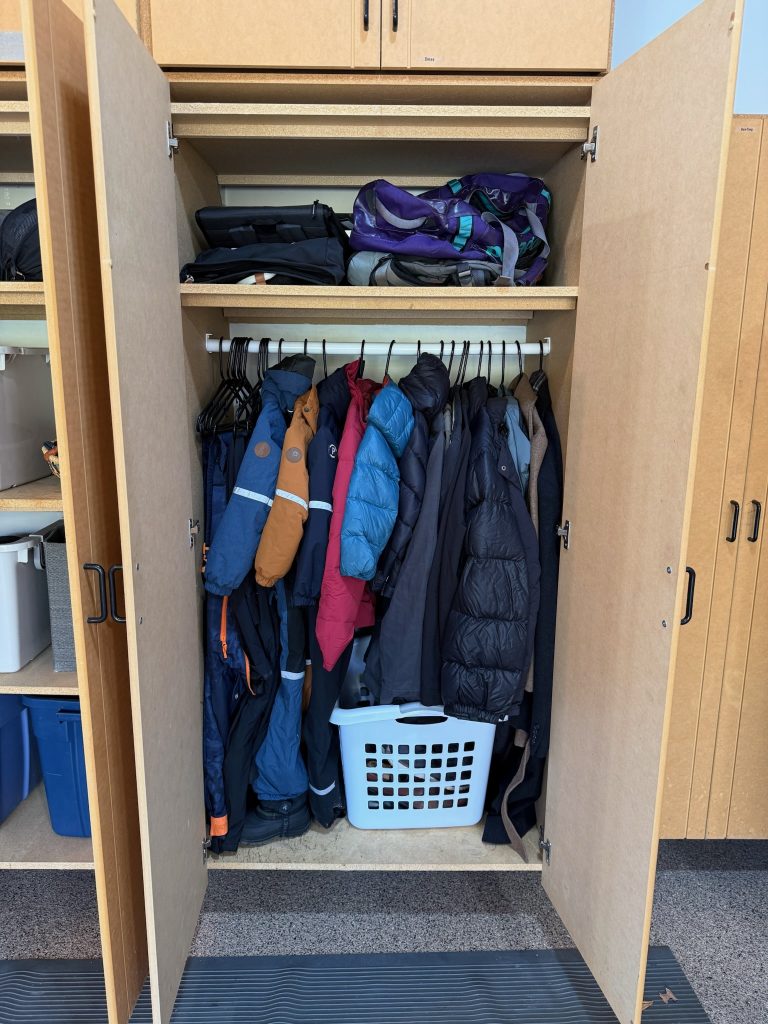
Keeping your closet organized can feel challenging. You open the doors to find something to wear, but see a pile of clothes, shoes, and accessories that no longer work together. Cleaning out your closet doesn’t have to be overwhelming. With a simple plan and a few smart ideas, you can refresh your space. No matter the size, these tips will help you declutter, save space, and create a closet that looks good and works well.
Taking everything out of your closet is the first step to getting it organized. Yes, everything. Remove all your clothes, shoes, bags, belts, hats, and other items. Laying everything out in front of you helps you clearly see what you own.
As you empty the closet, sort items into groups like blouses, pants, dresses, coats, accessories, and shoes. This process not only shows how much you have but also helps you decide what you truly need and what you can let go of.
Once your closet is empty, take a moment to clean the floors, shelves, and any other surfaces. A clean starting point makes the space feel new and orderly.
Now that your items are sorted, it’s time to decide what stays and what goes. Be honest with yourself. A closet filled with items you never wear isn’t helping you; it’s holding you back.
Ask yourself questions like:
If the answer is “no,” think about giving the item away or recycling it. Someone else may enjoy your clothes. Letting go of what you don’t need makes room for what you do. You can throw away or reuse fabrics that are torn or cannot be fixed.
Remember that decluttering isn’t only about making space; it’s also about getting rid of things that don’t make you feel good and don’t fit with your present way of life.
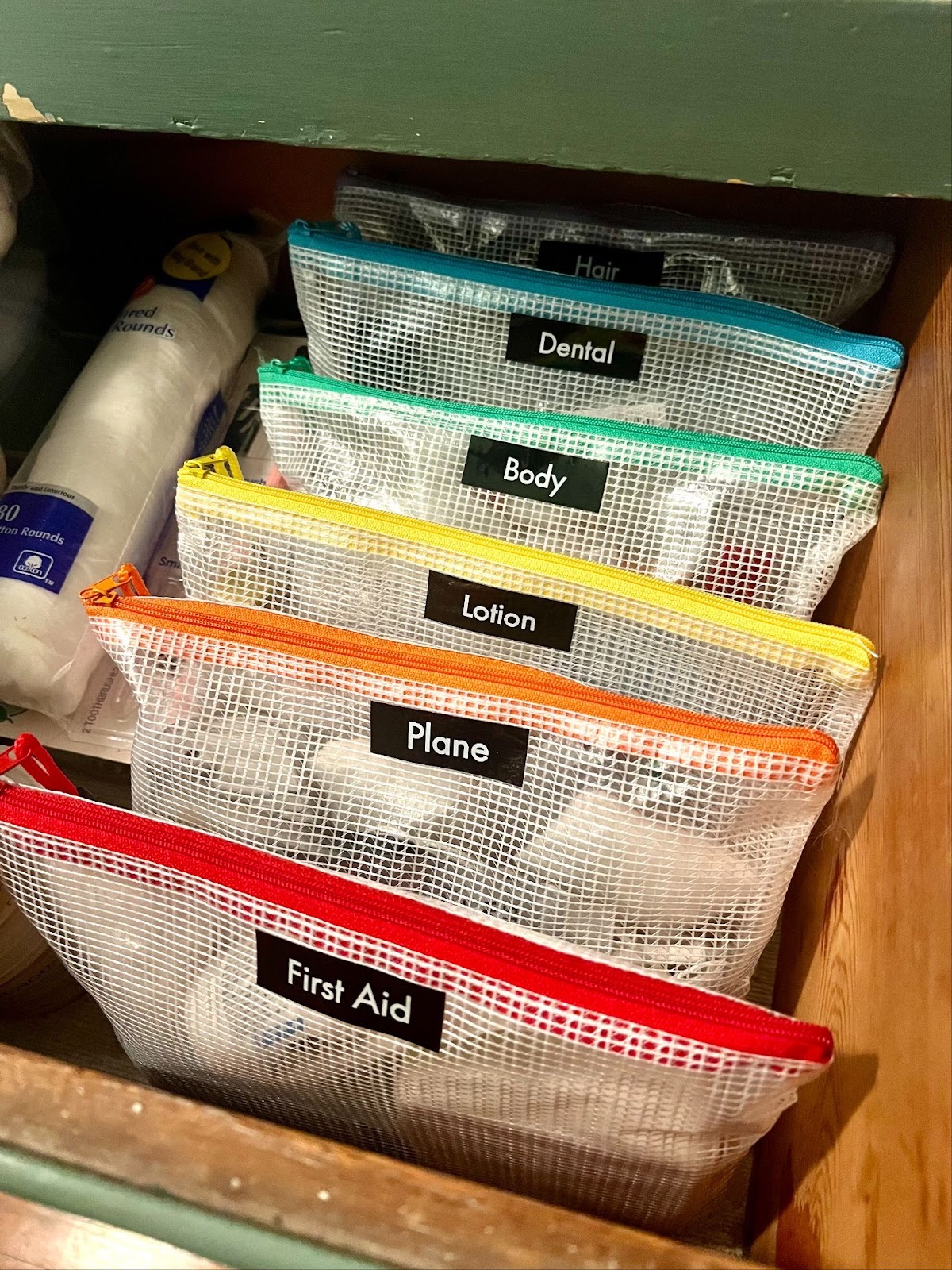
Once you’ve pared down your wardrobe, it’s time to think about how to put it back in a way that makes sense. Creating zones in your closet, areas for specific categories of items, makes finding what you need faster and keeps things from becoming chaotic again.
Here are a few zone ideas to consider:
By creating dedicated zones, you avoid the “everything everywhere” problem and make your morning routine smoother.
The right tools can make a huge difference. Think of storage solutions as helpers that give every item a home.
Here are a few closet-friendly tools to try:
Another tip: If you have two hanging poles, put shirts and blouses on the top one and pants or skirts on the bottom one. If you don’t have shelves, you might want to think about getting stackable organizers.
The idea is simple: make everything easy to find and see so you can spend less time looking for things and more time appreciating your clothes.
There’s no right or wrong way to organize once you’ve decluttered; it’s about what works for you. Two popular methods are organizing by function or by color.
Function: Group items by type, pants together, tops together, so you can easily navigate your closet based on what you’re dressing for.
Color: Arrange items from light to dark within each category. This visually pleasing layout makes outfits pop and can help you identify gaps in your wardrobe.
Both strategies make outfits easier to put together and keep your closet looking intentional.
The work doesn’t end once your closet is organized; maintenance keeps it that way.
A few habits that help:
A few minutes here and there keep clutter from creeping back in and make long-term organization effortless.
Cleaning out your closet should make you feel strong, not stressed. You can make your closet a place you like to use by getting rid of things you don’t need, employing clever storage solutions, and making zones that fit your lifestyle.
This change not only makes room in your physical area, but it can also make room in your mind. Your day begins off peacefully instead of chaotically when every piece of clothing has a place, and every pair of shoes is easy to find.
Meat and Potatoes Organizing can help you take your closet to the next level and experience the benefits of a beautifully organized environment. They will give you personalized solutions and hands-on support.
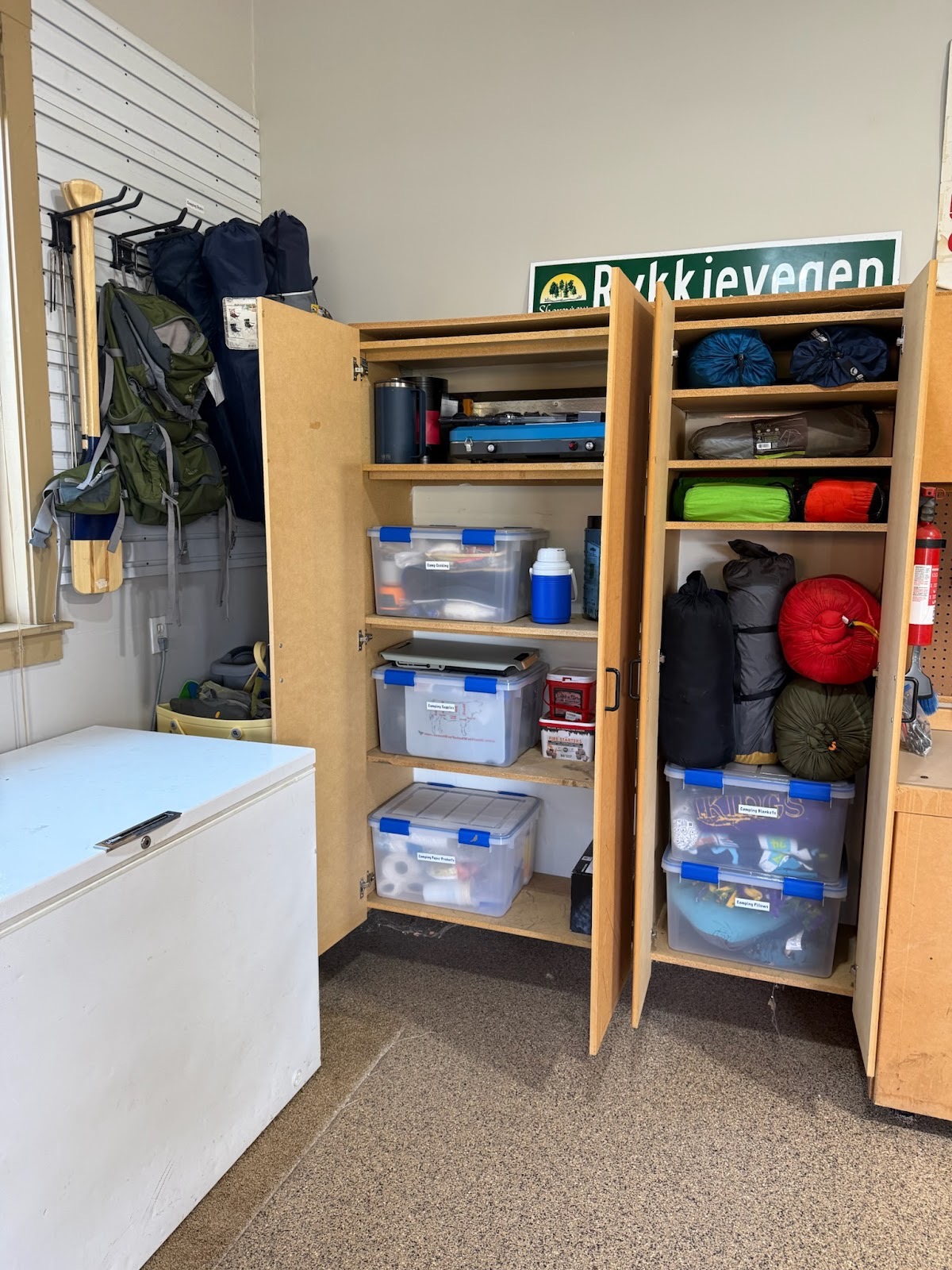
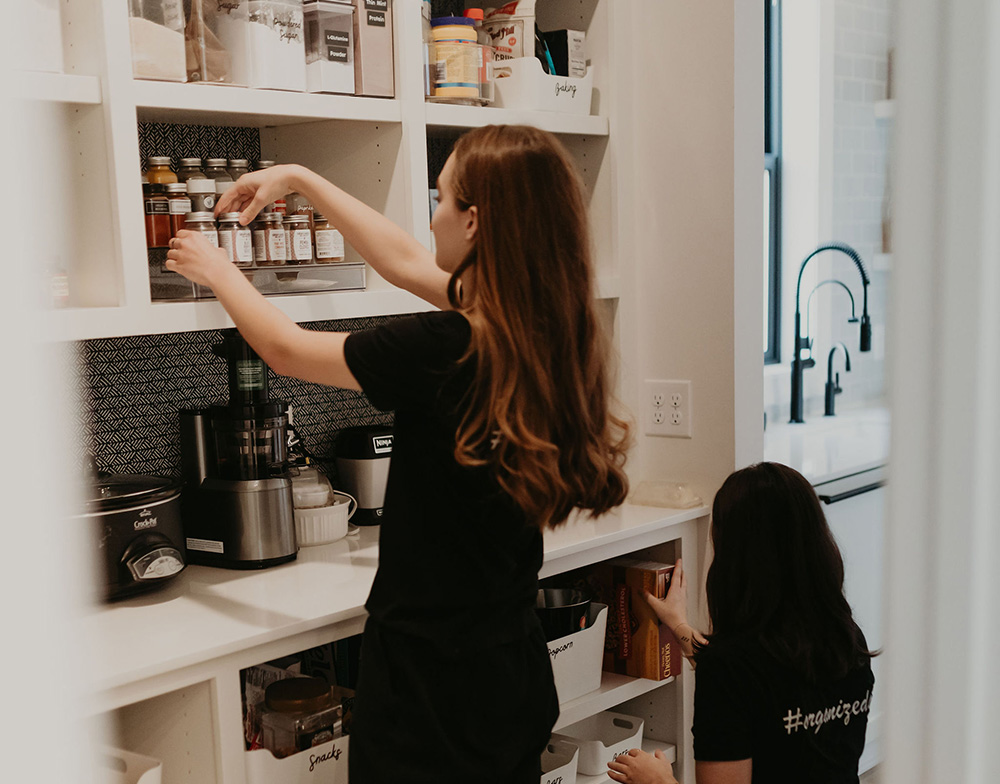
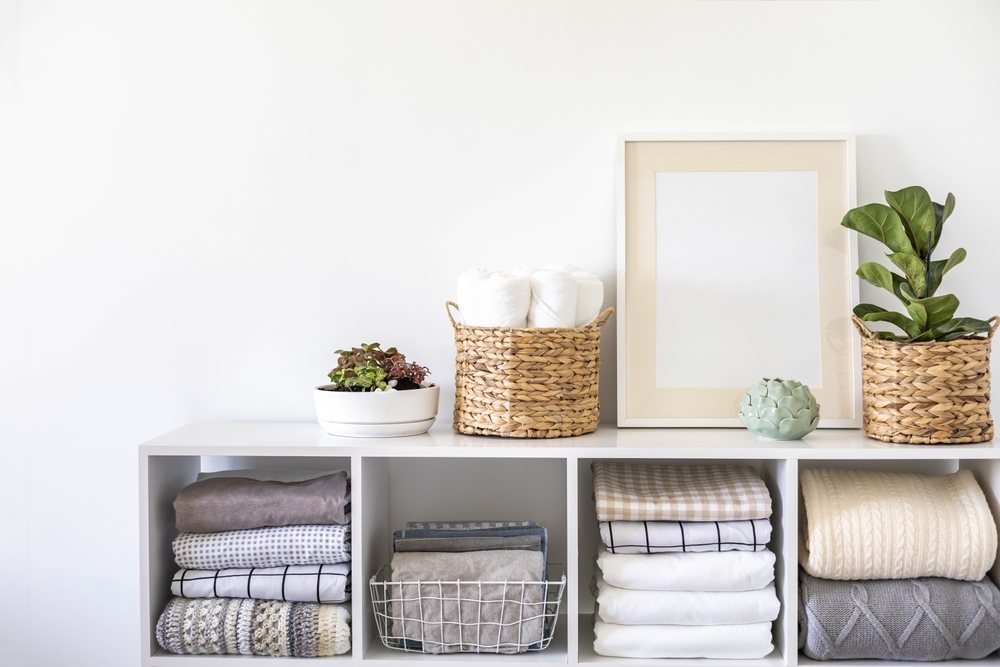
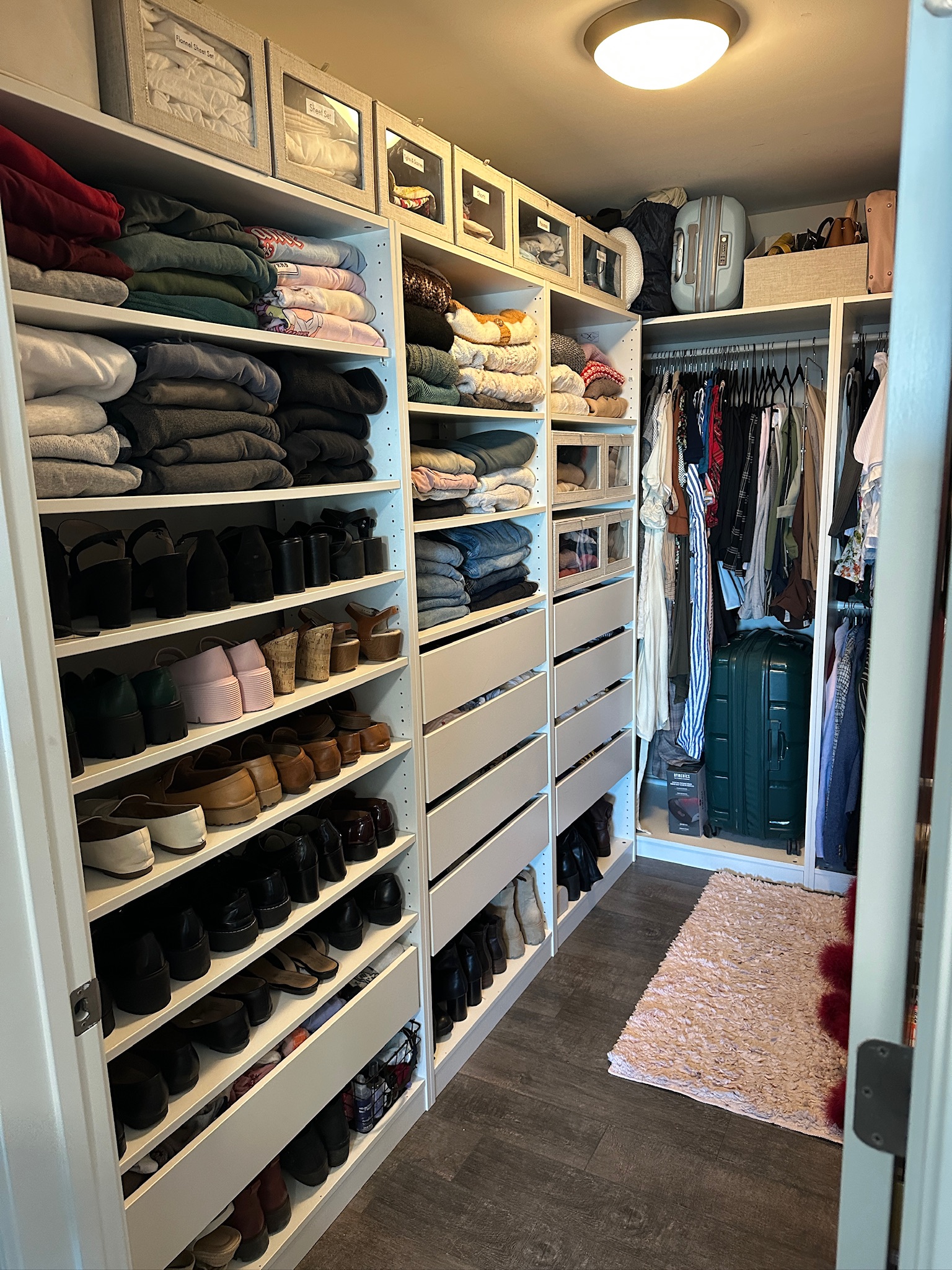
Add tension rods for instant double hanging, cascading hangers for shirts/blouses, and over-door shoe organizers for footwear. Stack fabric bins or hanging canvas shelves on the floor for folded items like sweaters. Freestanding garment racks expand space—renter-friendly, maximizes every inch without permanent changes.
Empty everything onto your bed, then sort into keep/donate/toss piles using the one-year rule: unworn lately goes out. Bag donations immediately, try on maybes quickly. Wipe shelves clean—done in 2-3 hours, instantly halves volume for breathing room.
Double rods for shirts/pants, eye-level daily wear, high/low for seasonal. Slim velvet hangers save rod space; tiered shoe racks and pull-out bins fit corners. LED strips light dark spots—turns tight space into efficient, shoppable boutique.
File-fold jeans/sweaters vertically in open bins or dividers to see all at once, preventing topples. Arrange by color/wash on lower shelves; hang rarely worn pairs. Cedar blocks repel moths—frees rods for dresses, keeps stacks neat long-term.
Latch doors with magnetic locks; elevate shoes/handbags in lidded bins. Cedar hangers deter moths/pests naturally; fabric organizers contain linty items. Hang delicates high, add pet barriers—quick fixes safeguard valuables from kids and furballs.
Vacuum-seal off-season in labeled underbed bins; keep current wardrobe at eye/arm level. Rotate biannually, using clear front-loaders for visibility. Compressors shrink bulk coats—preserves one-closet harmony without constant shuffling.
Twice yearly during season switches; monthly 10-minute scans for “never worn” tags. Follow one-in-one-out religiously—prevents rebound clutter, spots wear/tear early. Builds habit for effortless upkeep year-round.
Battery-powered LED strips under shelves/above rods; motion-sensor door lights activate on open. Wireless puck lights in corners banish shadows—dimmable for evenings. Mirrors amplify natural light, making dark closets feel spacious and outfit-ready.

Let us help you! Sign up to our e-newsletter and get your FREE guide to “Clear The Clutter”
<3 Let’s Do This!