If you have ever looked around your home and thought, “How did it get this way?” you are not alone. Many people use the words “clutter and decluttering” all the time. But what do they truly mean? And more importantly, how do they influence the way your home looks, feels, and functions each day?
Understanding the difference between clutter and decluttering is the first step toward creating a home that works for you instead of against you.
Key Takeaways
What Is Clutter, Really?
Clutter is more than just “too much stuff.” It is anything in your home that does not serve a purpose, does not have a home, or gets in the way of your daily life.
Clutter can look like:
• Piles of mail on the counter
• Clothes draped over chairs
• Toys were scattered across the floor.
• Closets packed with items you forgot you owned
But clutter is not only physical. It can also create mental stress. When you walk into a room filled with unfinished tasks and visual noise, your brain stays on alert. You may feel overwhelmed, distracted, or even embarrassed.
Clutter builds up slowly. A few items on the counter turn into stacks. A drawer becomes a “junk drawer.” Before you know it, your space feels crowded and hard to manage. The key thing to remember is this: clutter is not about how much you own. It is about whether your belongings support your life or make it harder.
What Decluttering Actually Means
Decluttering is the action you take to deal with clutter. It is the process of removing what no longer serves you so your space can function again. Decluttering does not mean throwing everything away. It does not mean living with bare walls and empty shelves. And it definitely does not mean striving for perfection.
Decluttering means:
• Letting go of items you no longer use
• Creating space so your home feels calm
• Making room for what truly matters
It is a thoughtful process. Instead of asking, “Where can I put this?” you start asking, “Do I even need this?” Decluttering shifts your focus from managing excess to choosing with intention. It helps you decide what belongs in your home and what does not.
Why the Difference Matters
When people mix up clutter and decluttering, they often feel stuck. They see clutter as a personal failure instead of a situation that can be improved. Clutter is the result. Decluttering is the solution.
Once you understand that, things begin to feel more manageable. You are not “bad at organizing.” You simply have clutter that needs attention. And decluttering is the tool you use to address it. This mindset change is powerful. Instead of feeling ashamed or overwhelmed, you can approach your home with curiosity and clarity.
Ask yourself:
• Is this item useful right now?
• Do I love it?
• Does it have a clear home?
If the answer is no, it may be clutter. If you decide to remove it, that is decluttering.
How Clutter Affects Your Daily Life
Clutter does not just take up space. It takes up time and energy. You might spend extra minutes each morning looking for keys. You may avoid inviting friends over because the house feels messy. You may feel constant low-level stress from unfinished projects and crowded surfaces. Clutter can also make cleaning harder. When every flat surface is covered, wiping down counters or vacuuming floors becomes a bigger task.
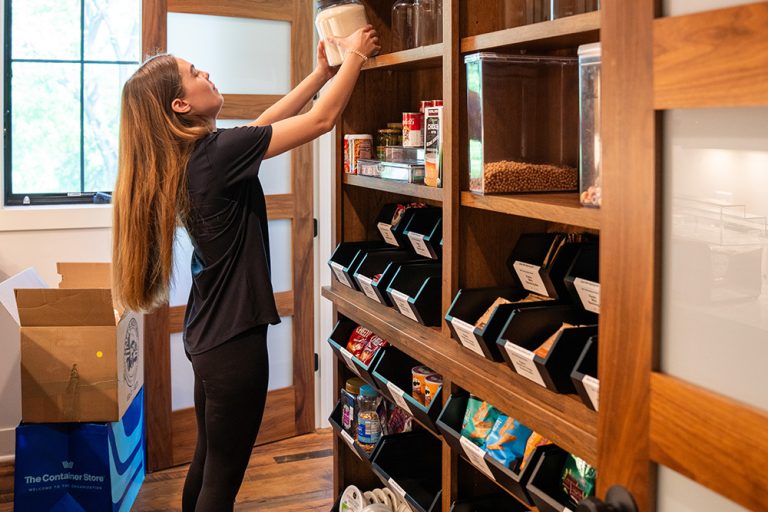
On the other hand, when you declutter, everyday routines become easier. Cooking feels smoother in a clear kitchen. Getting dressed is simpler in a closet where everything fits. Finding paperwork takes seconds instead of hours. Decluttering creates breathing room in your home and in your mind.
Decluttering Is Not a One-Time Event
One common myth is that decluttering is something you do once and never think about again. In reality, it is an ongoing practice. Life changes, families grow, jobs shift, and interests evolve. As your life changes, your belongings should change too.
Instead of waiting for a major clean-out day, try small, steady steps:
• Clear one drawer at a time
• Tackle one shelf before moving to the next
• Set a timer for 20 minutes.
Consistency matters more than speed. Decluttering in small sessions helps you build new habits without feeling overwhelmed. Moreover, remember, progress is better than perfection.
Creating a Home That Works for You
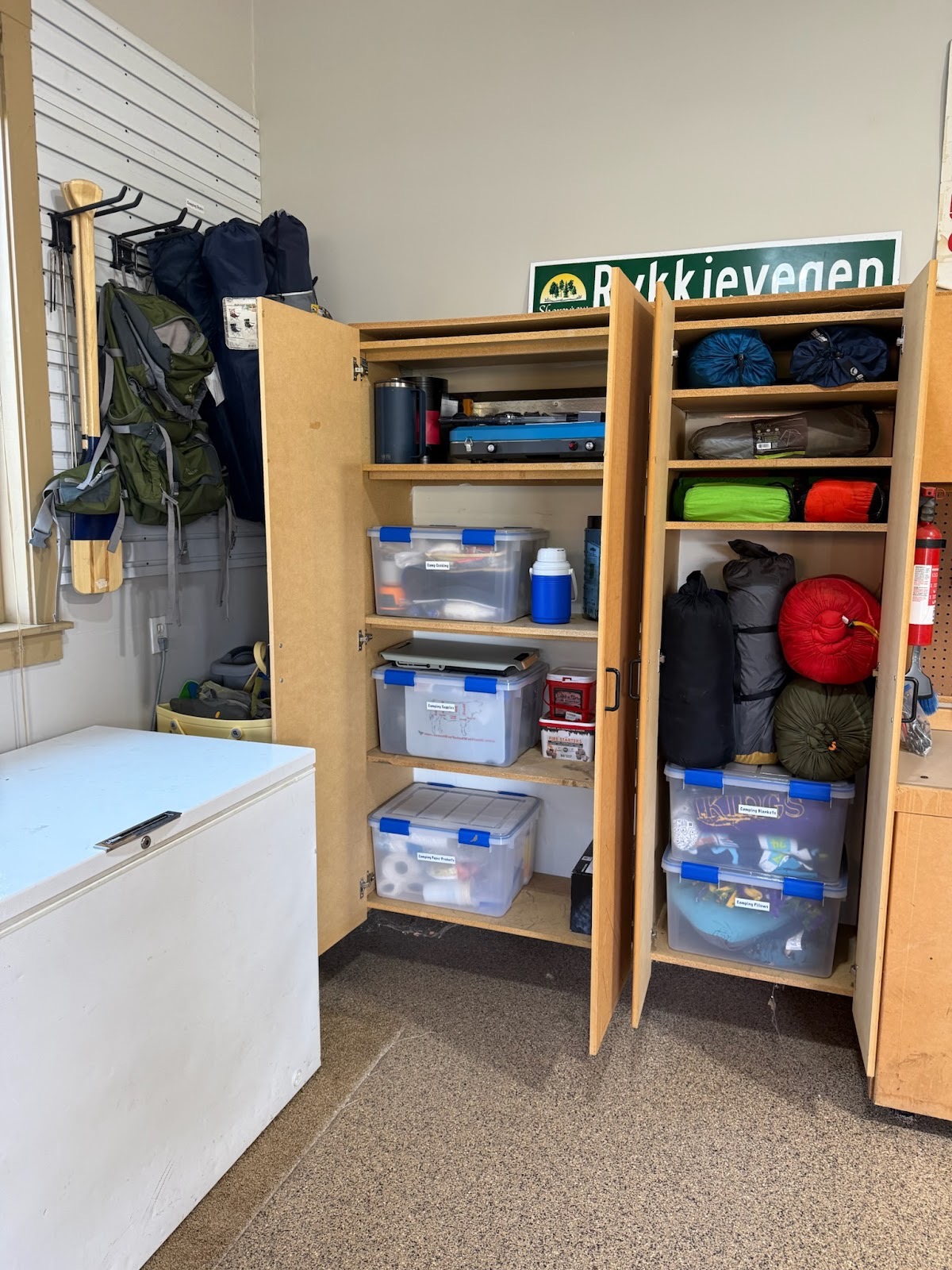
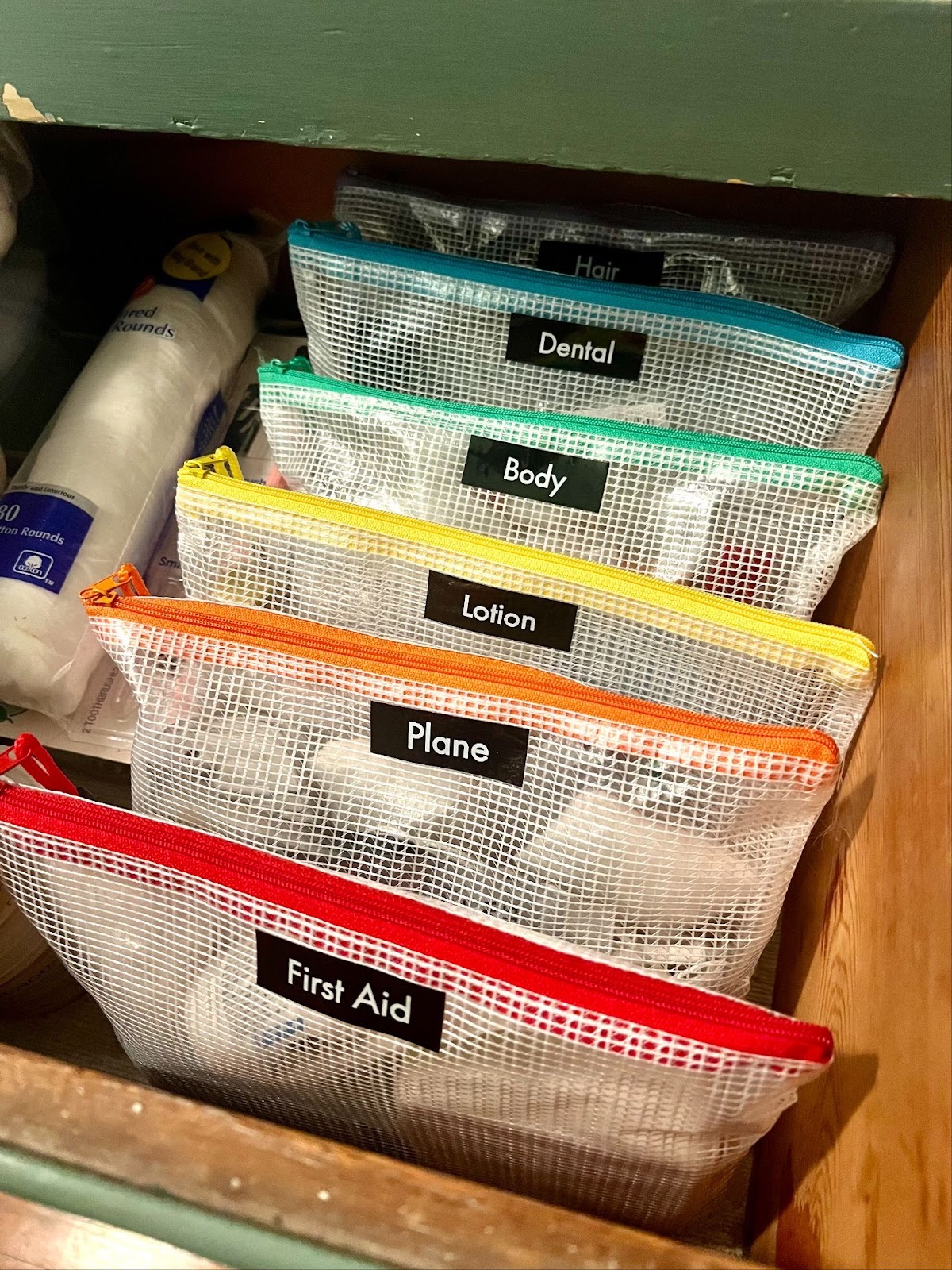
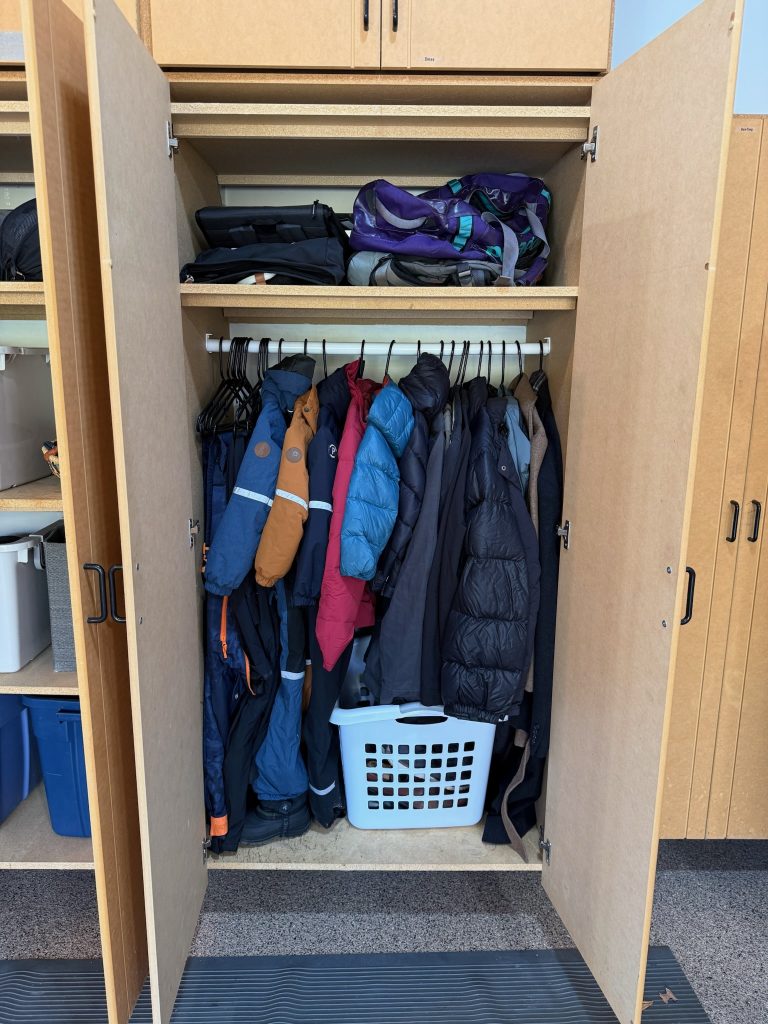
The goal is not to have a picture-perfect house. The goal is to have a home that supports your real life. A well-organized home does not mean you never leave a dish in the sink. It means your systems make it easy to reset. It means your belongings fit your space. It means you can find what you need without stress.
When clutter is reduced and decluttering becomes part of your routine, your home starts to feel lighter. You gain back time, energy, and confidence. You begin to see your space not as a source of pressure, but as a place of comfort.
Ready to Take the First Step?
Meat and Potatoes Organizing believes that organizing is about getting down to what truly matters in your home and your life. With practical systems and a no-judgment approach, they help clients move from overwhelmed to in control, one space at a time. If you are tired of living with clutter and ready to experience the freedom that decluttering brings, now is the time to act.