A home should feel like a place to breathe. It should welcome you at the end of a long day, not greet you with piles of papers, crowded closets, and drawers that won’t close. If your home feels more chaotic than calm, you’re not alone. Many families struggle to stay organized, especially when life gets busy. The good news is that learning how to organize and declutter your whole home doesn’t have to feel impossible. With the right mindset and a simple plan, you can create a space that truly works for you.
Key Takeaways
Start with a Clear Vision and Simple Plan
Before diving into bins and baskets, pause and think about what you want your home to feel like.
• Do you want calm mornings?
• Easier cleanups?
• Less stress when guests stop by?
Getting clear on your goal will help you stay focused when the process feels overwhelming.
Instead of trying to organize your whole home in a weekend, break it into smaller steps. Choose one room or one small area to start. A single drawer, shelf, or corner is enough. When you start small, you build momentum. Finishing one space gives you confidence to move to the next.
Decluttering should always come before organizing. It’s hard to create order when you’re holding on to too much. As you go through each space, ask yourself simple questions.
• Do I use this?
• Do I love this?
• Would I buy this again today?
If the answer is no, it may be time to let it go. Keeping only what serves your life right now makes organizing much easier.
Tackle One Room at a Time
When learning how to organize and declutter your whole home, it helps to move through your house in a thoughtful order. Many people like to begin with areas that cause the most daily stress, such as the kitchen or entryway. Others prefer to start with a smaller space to build confidence. There is no perfect order. The best order is the one that works for you.
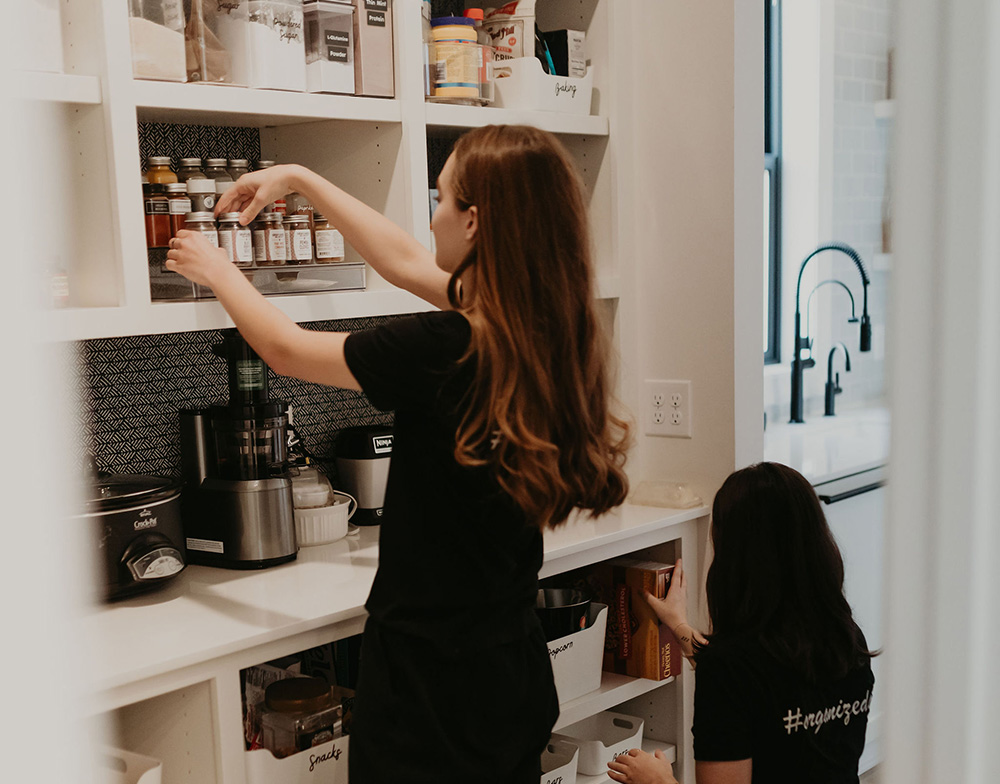
In the kitchen, focus on clearing counter tops first. Clear surfaces instantly make a space feel cleaner and calmer. Store small appliances that you rarely use and keep only everyday essentials within reach. Inside cabinets, group similar items together. Baking supplies with baking supplies, snacks with snacks. When everything has a home, it becomes easier to put things away.
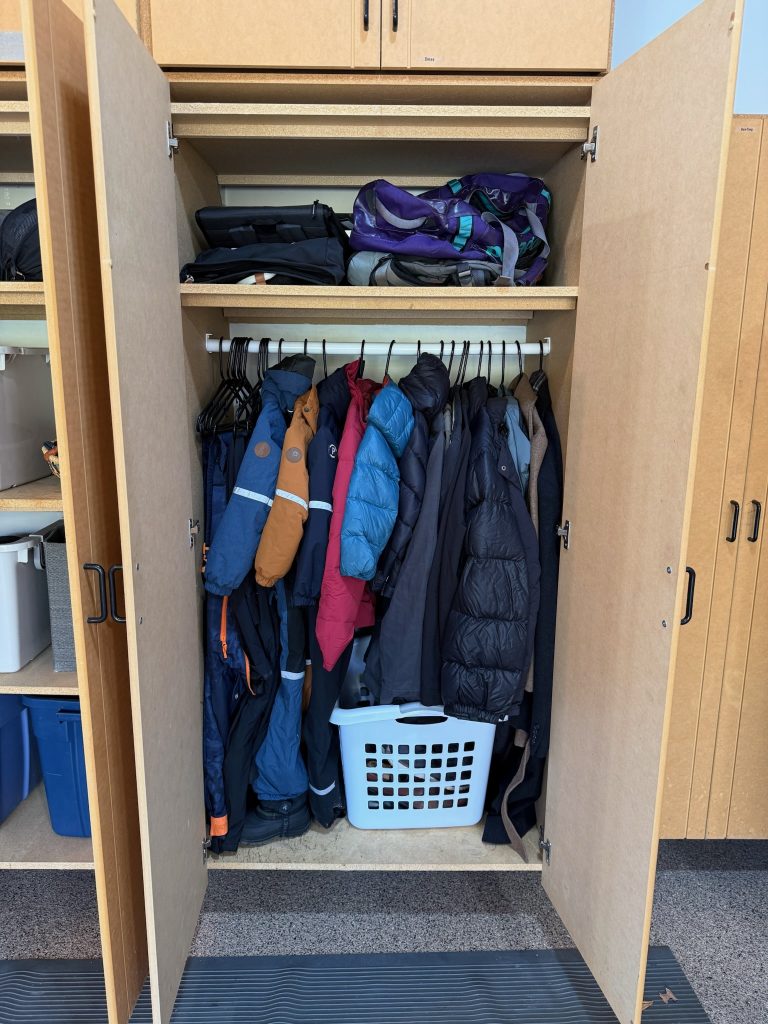
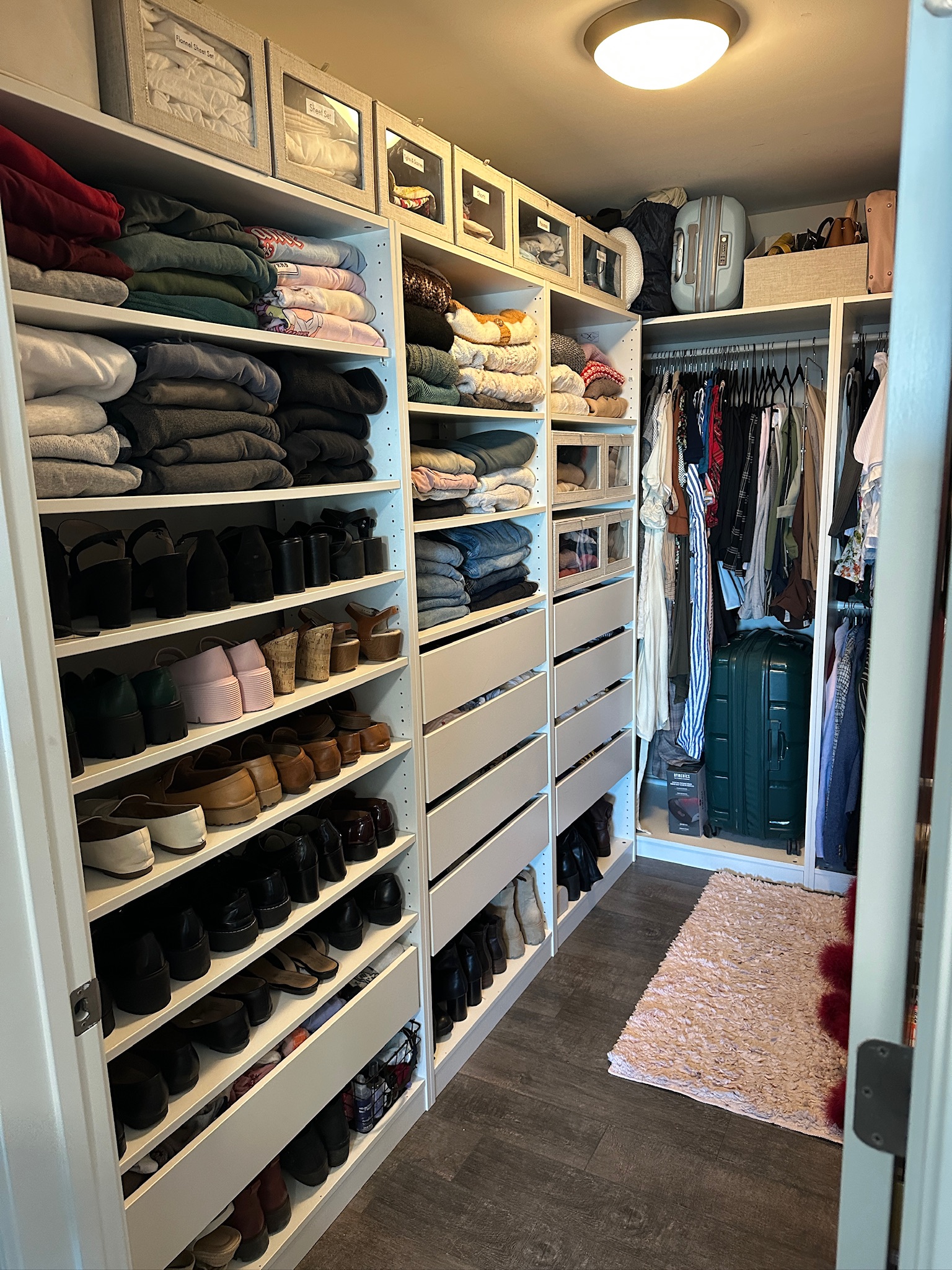
In bedrooms, concentrate on closets and dressers. Clothing often takes up more space than we realize. Remove items that no longer fit, feel comfortable, or match your current lifestyle. Once you reduce the amount, you can neatly fold or hang what remains. Organized closets make mornings smoother and less stressful.
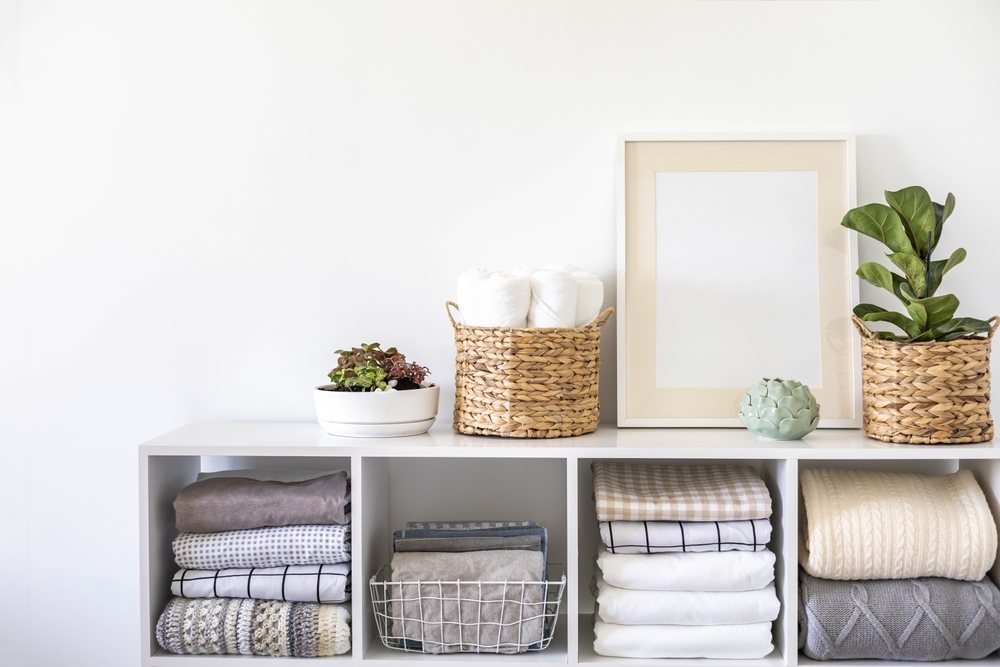
Living rooms and family areas benefit from simple systems. Baskets for blankets, containers for toys, and a tray for remotes can make a big difference. The goal is not perfection. The goal is function. When every item has a designated spot, tidying up takes minutes instead of hours.
Create Systems That Fit Your Real Life
Decluttering is only half the process. To organize truly and declutter your whole home, you need systems that are easy to maintain. If a system is too complicated, it won’t last.
Think about how your household naturally moves through the day. If shoes tend to pile up by the door, add a shoe rack or basket there instead of trying to force them into a closet far away.
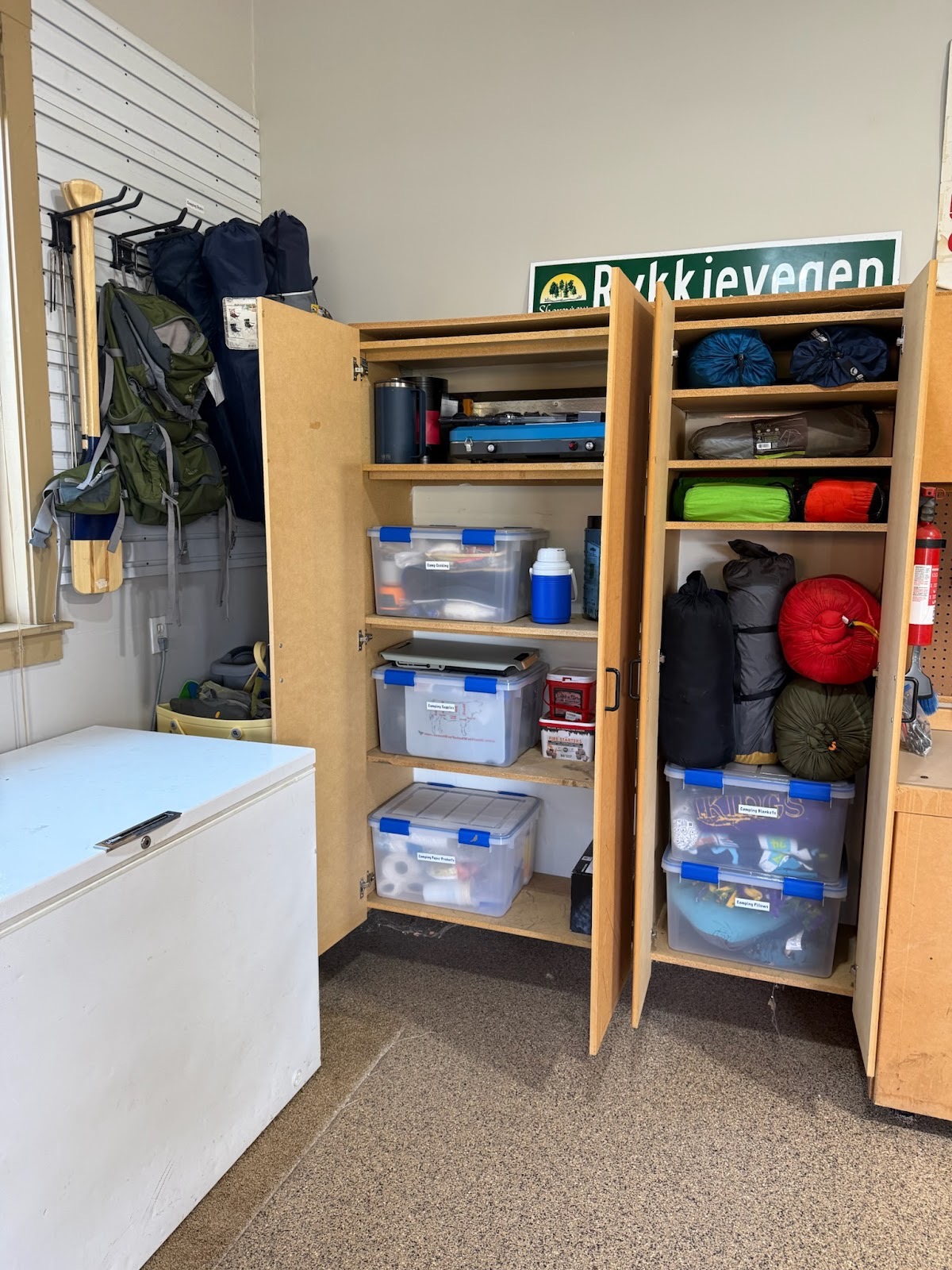
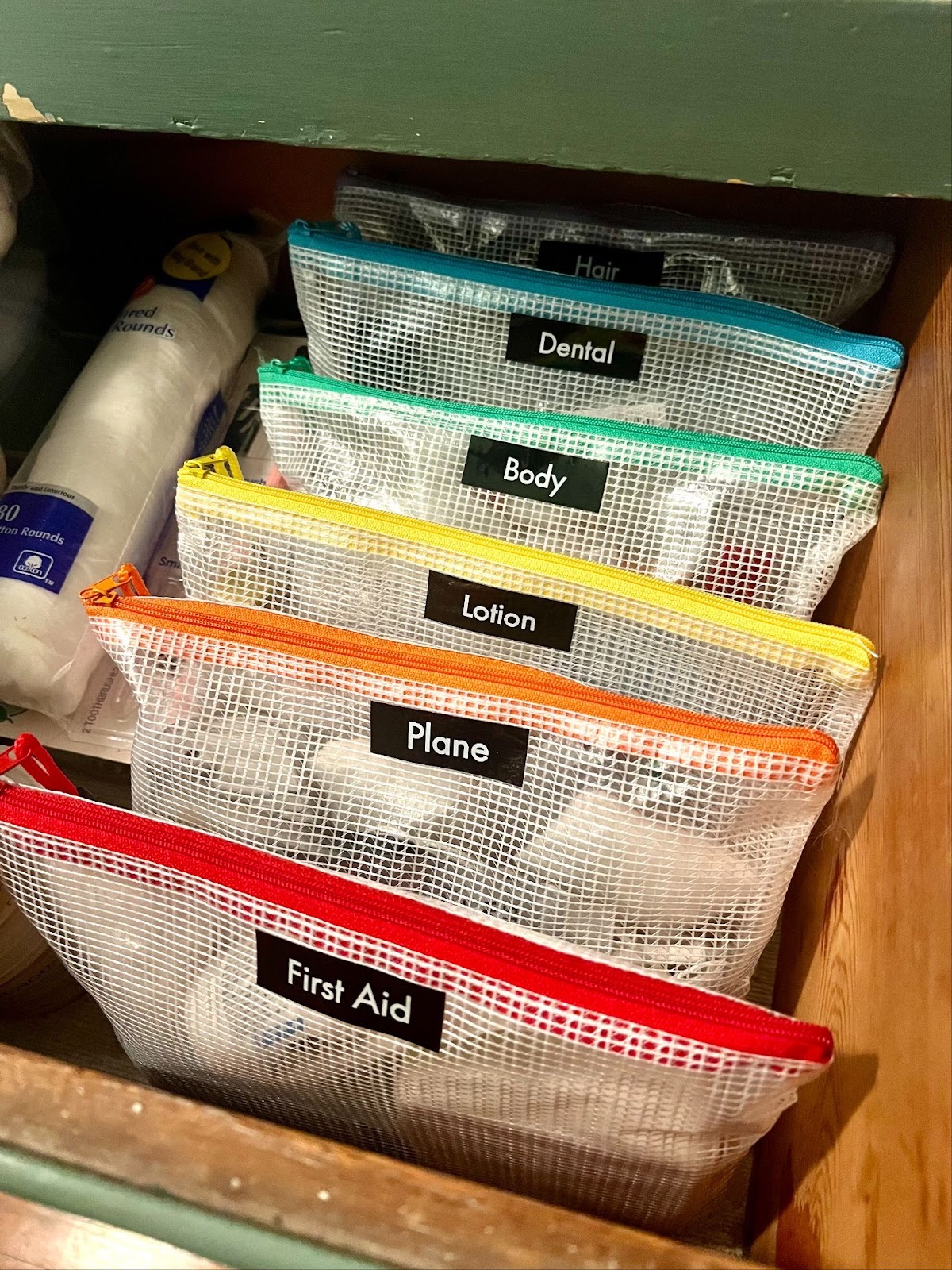
If mail lands on the kitchen counter, create a small sorting station nearby with a tray for incoming papers and a bin for recycling. Labels can be helpful, especially in shared spaces. When everyone knows where things belong, it becomes easier for the whole family to help keep the home organized. Clear containers also work well in pantries and playrooms because they allow you to see what you have at a glance.
It’s also important to leave room for breathing. Avoid filling every shelf and drawer to the top. Extra space allows for new items and prevents clutter from building up again too quickly. An organized home should feel light, not packed.
Build Simple Habits That Prevent Clutter
Once you organize and declutter your whole home, the next step is keeping it that way. Small daily habits make a huge difference over time. Spend a few minutes each evening resetting your main living areas. Put away stray items, wipe down surfaces, and prepare for the next day. This simple routine keeps clutter from piling up and helps you start each morning with a fresh space.
Be mindful of what comes into your home. For every new item you buy, consider whether something else can be donated or removed. This keeps your belongings from slowly growing out of control again. Seasonal check-ins also help. A few times a year, take a quick look through closets, storage areas, and cabinets. Let go of items that are no longer useful. Regular maintenance prevents the need for large, overwhelming decluttering sessions in the future.
Remember that organizing is not about creating a picture-perfect house. It’s about designing a home that supports your life. When your space works for you, daily routines feel easier, and your home becomes a place of comfort instead of stress.
When You’re Ready for Extra Support
Organizing and decluttering your whole home is a journey. Some people enjoy doing it on their own, while others appreciate guidance and encouragement along the way. If you feel stuck, overwhelmed, or unsure where to begin, working with a professional can make the process smoother and more enjoyable.
Meat and Potatoes Organizing helps families simplify their spaces with practical, down-to-earth organizing solutions that truly work for real life. With a supportive approach and a focus on creating functional systems, the team helps transform cluttered homes into calm, manageable spaces. If you’re ready to take the next step toward a more organized home, reaching out could be the start of lasting change.